
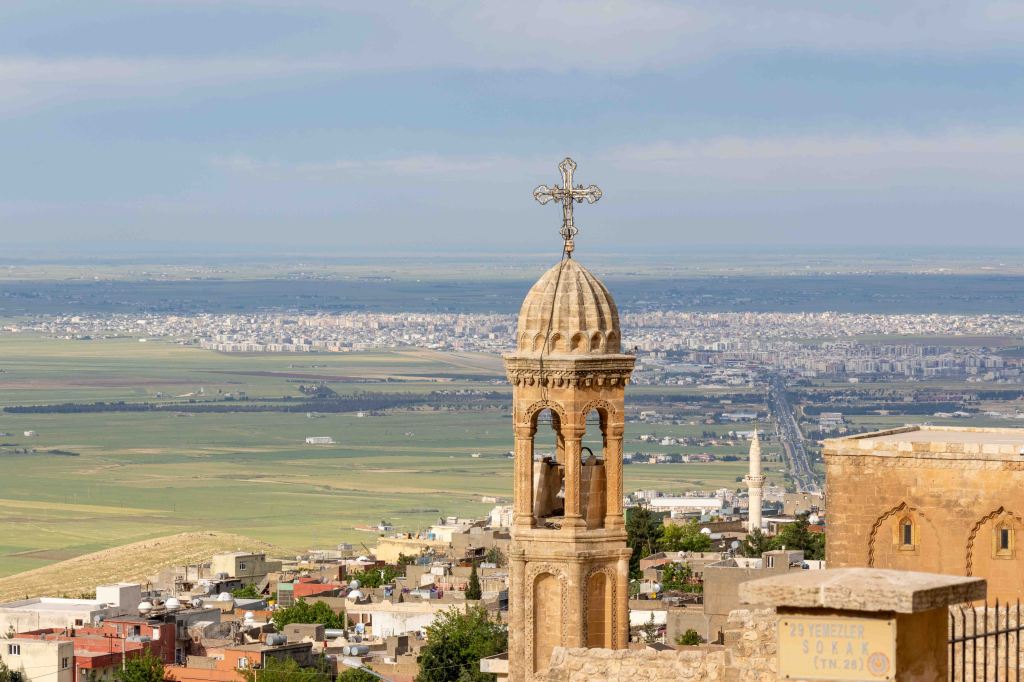
The view from Old Mardin across the agricultural plains of Mesopotamia is captivating: a kaleidoscope of greens and browns stretching below the harsh sun, with only a wall marking today’s border between Türkiye and Syria. This area is the cradle of civilisation, a region with a deep and complex history through which hunter-gatherers, Assyrians, Greeks, Romans, Arabs, Persians, Ottomans, Jews, Armenians and more have passed. And now, briefly, so had I.
Today, Turks, Kurds, Assyrians and Arabs interact in towns where churches, mosques and monasteries stand side by side. For visitors, the region’s history is visible not only in ruins and museums, but also in its food, music and hospitality.
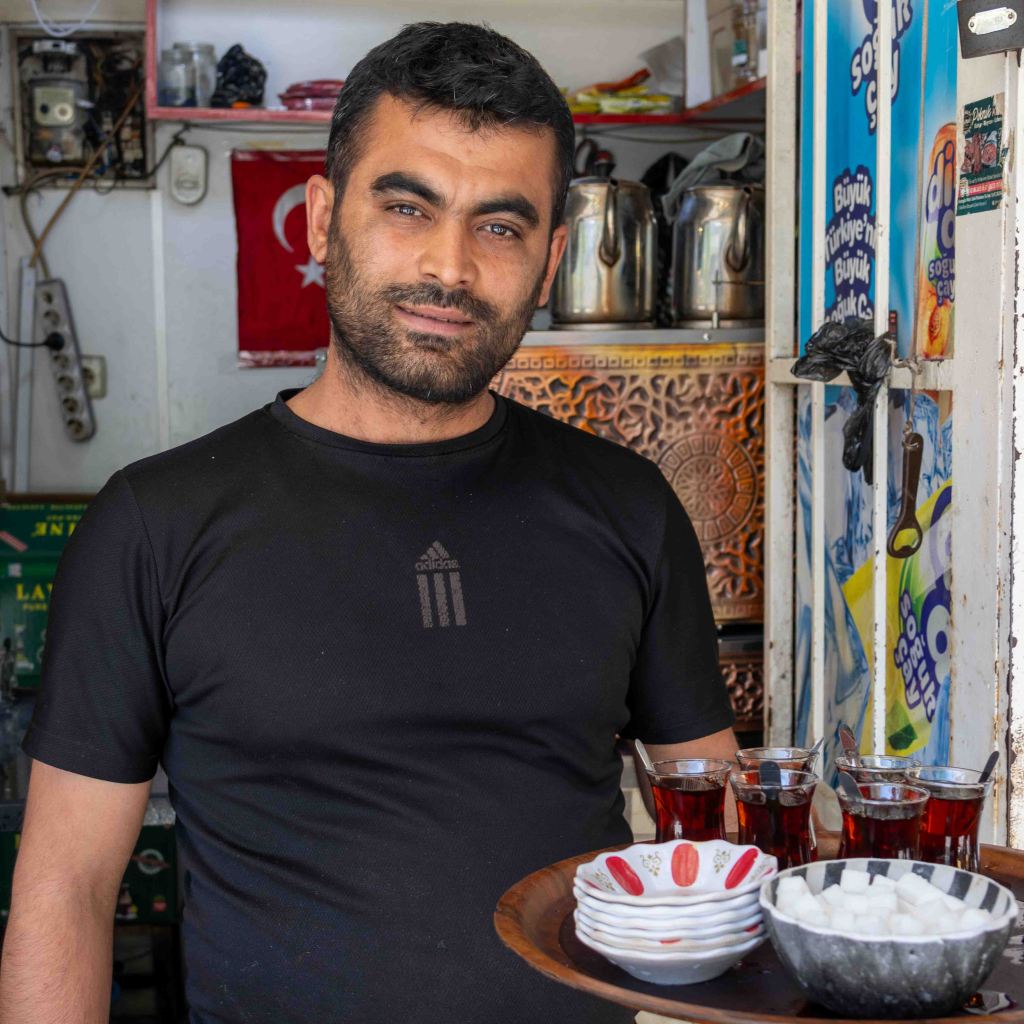
I was at the end of a nine-day trip, in which my friend and I visited some of the highlights of this region, using public transport to travel through Gaziantep, Mount Nemrut, Şanlıurfa and Mardin and staying at locally owned hotels. It felt like a fleeting visit to an area that deserves more time and attention.
Gaziantep / Antep (2 nights, 1 day)
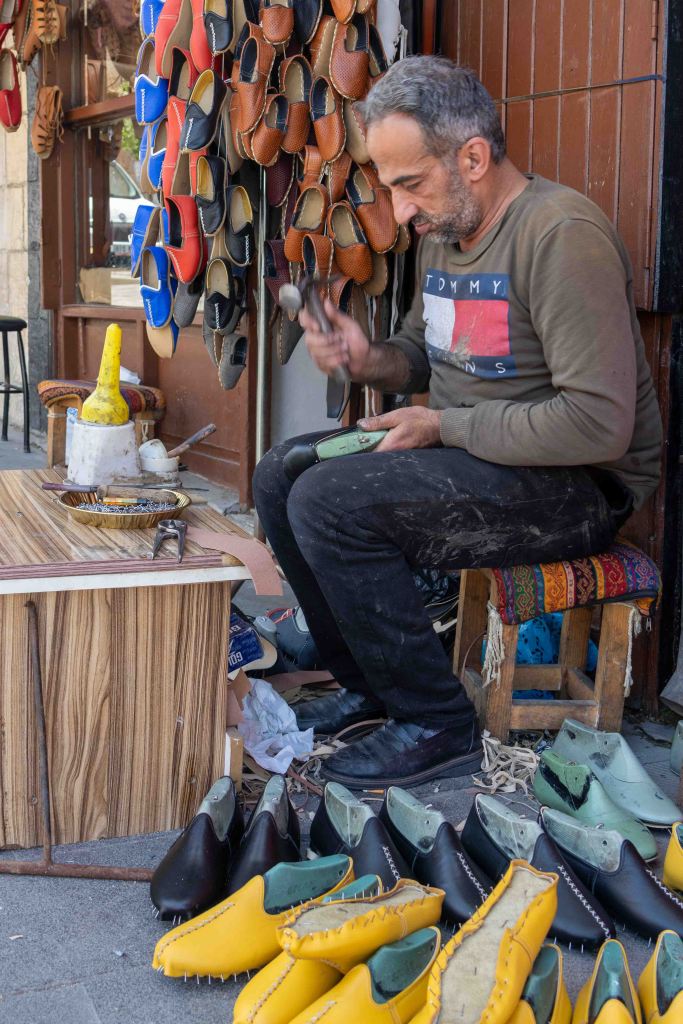
Our first stop was Antep, the fifth largest city in Türkiye with over two million inhabitants. Only 100km from Aleppo, it sits close to the Syrian border and has long been shaped by trade, craftsmanship and food culture. The old town is compact, with a large bazaar where the ‘tak tak’ of copper engravers echoes in Dolby surround sound and multicoloured Yemeni slippers hang alongside dried chillis, peppers and aubergines.
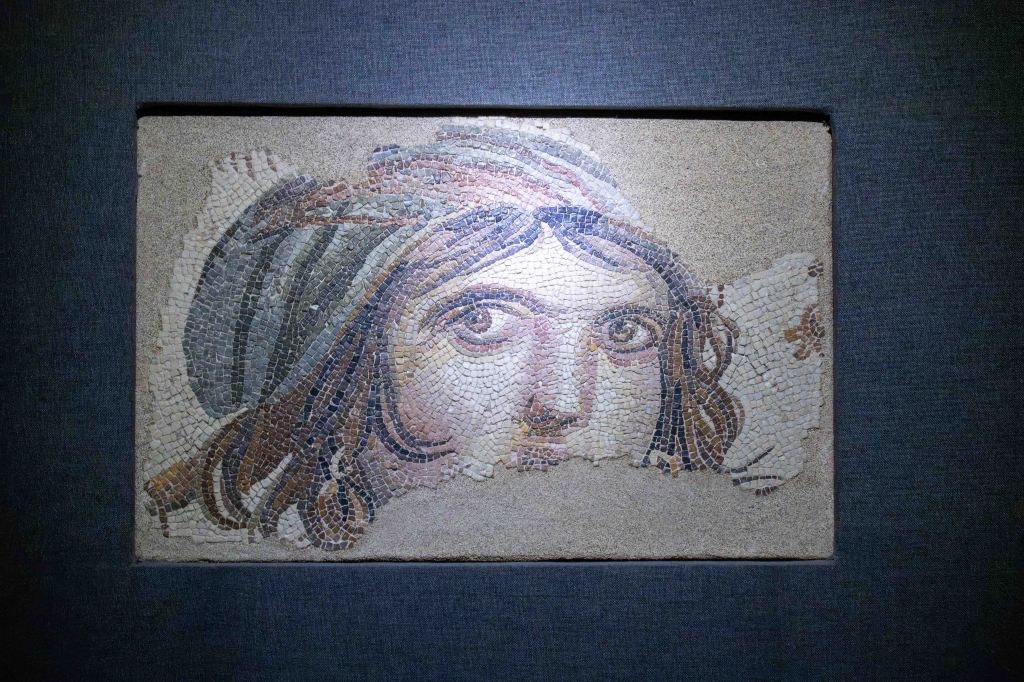
The Zeugma Mosaic Museum, a short walk from the old town, should not be missed. It is one of the largest mosaic museums in the world and houses extraordinary Roman-era mosaics rescued from Zeugma Ancient City before much of the site was flooded by the opening of the Birecik Dam in 2000. ‘Gypsy Girl’ is the showpiece: a small but mesmerising fragment whose eyes seem to follow the viewer, inviting frequent comparisons with the Mona Lisa.
Mount Nemrut (1 night, 1 day)
The next day, we headed northeast by minibus (dolmuş) to Adıyaman, a city of 300,000 that was badly damaged by the devastating earthquake in 2023. Signs of the destruction remain: temporary housing on the outskirts, shiny new apartment blocks and, beside them, piles of rubble where older buildings once stood.
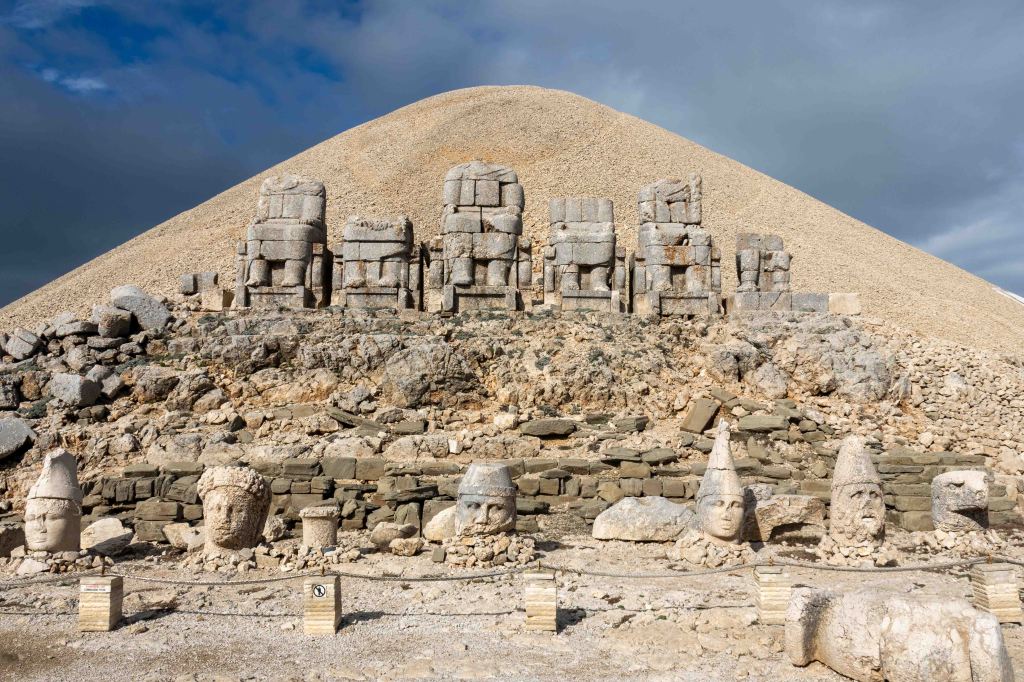
From Adıyaman, our host, Hussein, drove us into the Taurus Mountains, stopping to visit the Roman Cendere Bridge and ancient Kahta Castle. Our destination was Mount Nemrut, a 2,134m peak and UNESCO World Heritage Site known for the colossal stone heads and seated figures that surround the tomb-sanctuary of King Antiochus I of Commagene. Built in the 1st century AD, the statues are up to 10 meters high and represent the King himself, lions, eagles, and a pantheon of Greek and Persian Iranian deities such as Zeus, Apollo and Heracles.
The Güneş Motel is a modern mountain hut from which, on a clear day, you can see the statues. Staying nearby, 3 km from the summit, was worthwhile: the site was cloaked by fog and rain on our first afternoon, but we were able to return the next morning when the weather cleared, negotiating a 50% discount on our second tickets. For visitors, it’s worth allowing this extra flexibility, as weather, light and timing can transform the experience.
Şanlıurfa / Urfa (3 nights, 2 days)
We travelled from Adıyaman to Urfa by dolmuş, following the huge reservoir created by the Birecik Dam. Urfa is one of the most conservative cities in this part of Türkiye, although during our visit this was softened by the many domestic tourists taking advantage of the upcoming public holiday.
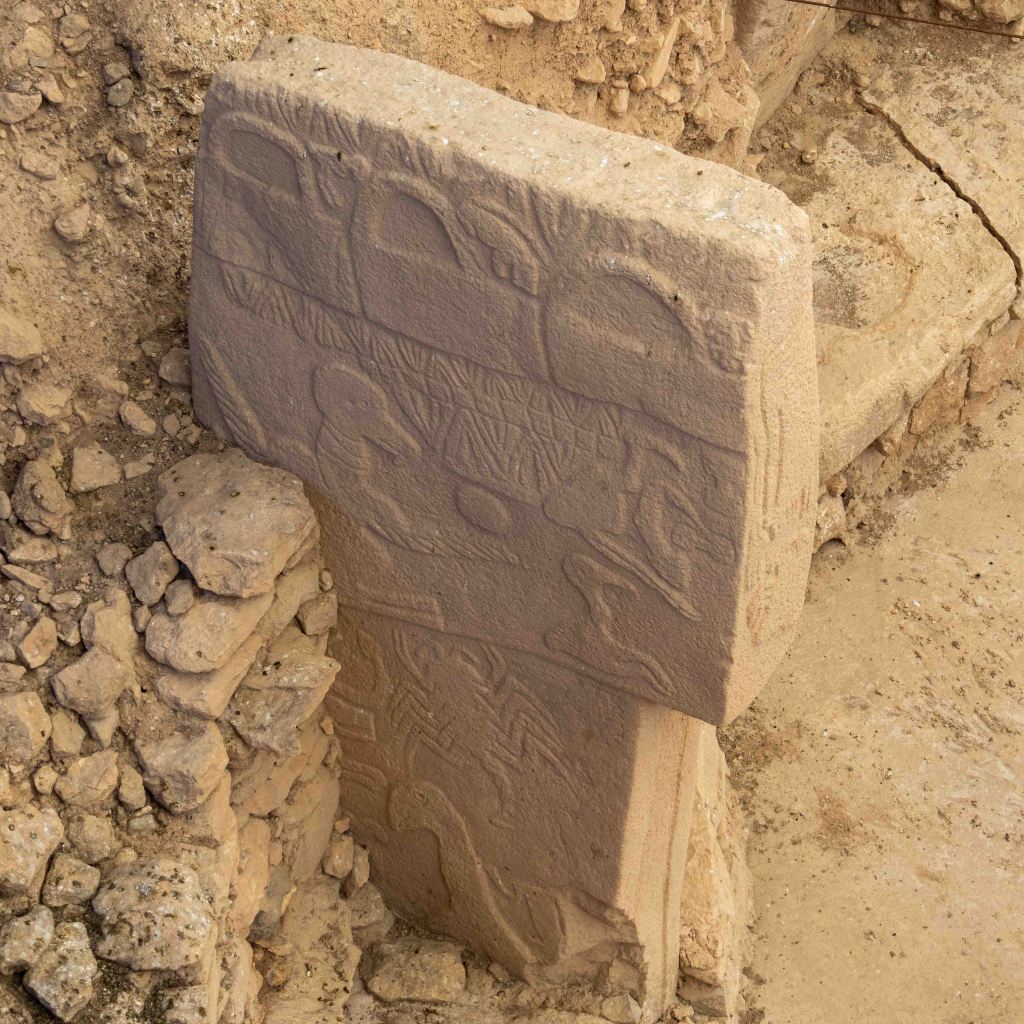
This sprawling city of two million inhabitants has many attractions, although the highlight for many visitors is the prehistoric site of Göbekli Tepe, an easy 40-minute bus ride from the centre. The excavated part of the site is small, but its significance, identified in 1993, is huge. Dating back to c.9,600–8,000 BC, Göbekli Tepe is one of the world’s oldest known temple complexes, predating Stonehenge by over 6,000 years. Its existence challenges long-held assumptions about the development of civilisation. It suggests that ritual, gathering and shared belief may have helped draw people into settled communities before farming transformed human life.
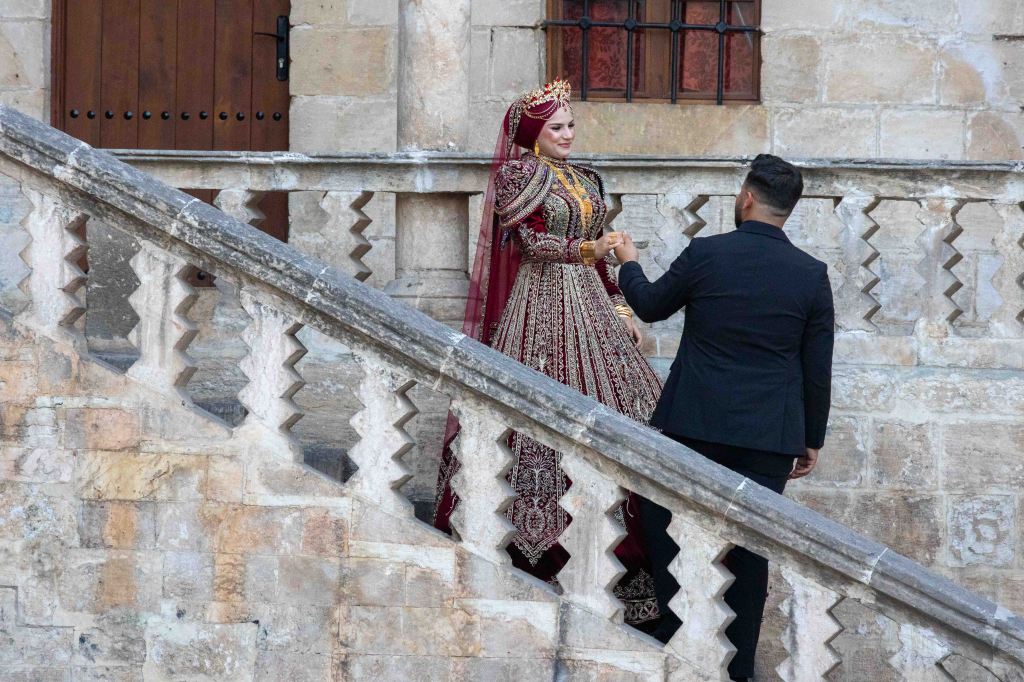
Back in Urfa, we watching women dress up for photos at Balıklıgöl, a pool full of sacred carp and famous in Jewish and Islamic legends as the place where Nimrod threw Abraham into a fire. We explored the necropolis in the ‘golden hour’, took a short bus trip to see the beehive houses of Harran, washed down kebabs with freshly made ayran at Gümrük Han and enjoyed chatting with locals and tourists alike. As a result of one encounter with a Syrian photographer, we were invited to a Kurdish wedding, where we briefly felt part of the celebration, sharing food and dancing while awaiting the bride and groom.
Mardin (3 nights, 2 days)
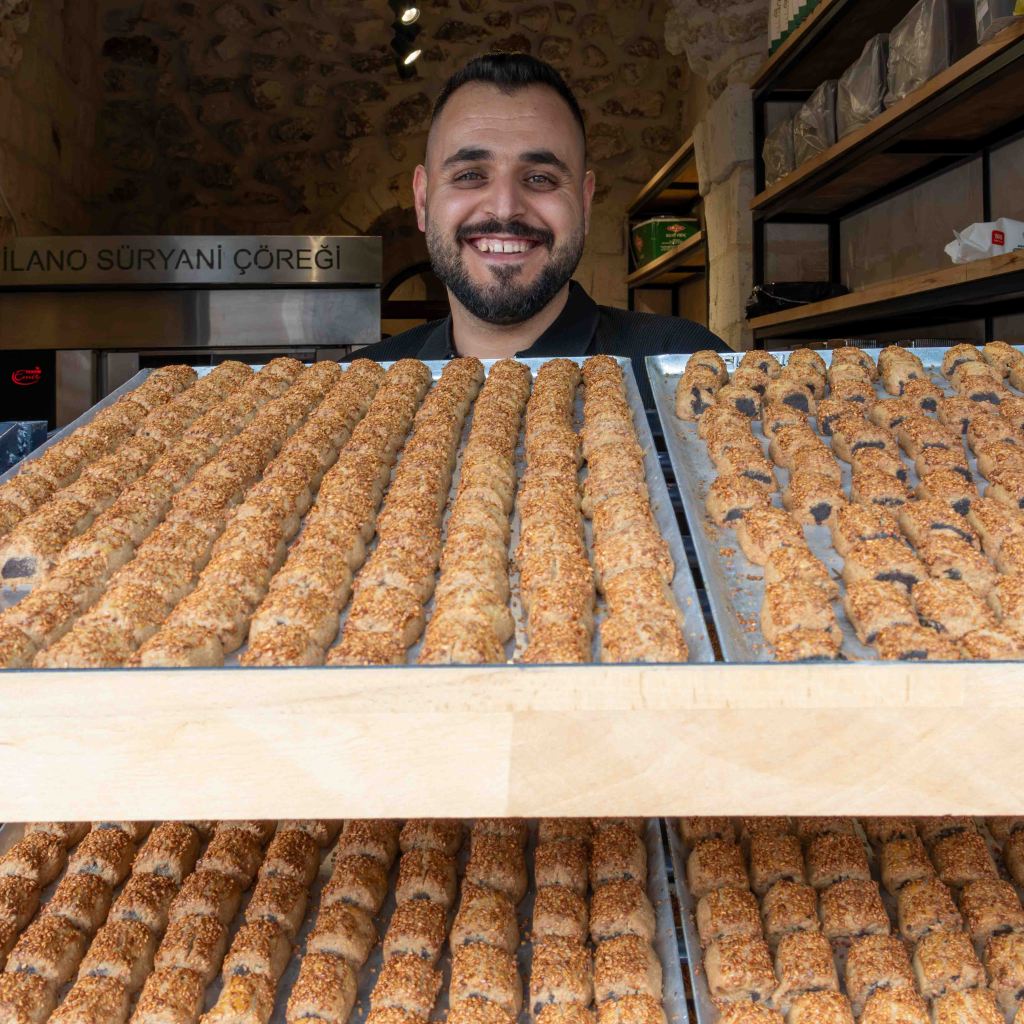
Our final destination, and my favourite, was Mardin, a much smaller city with a population of 130,000. Old Mardin is a golden jumble of stone houses set on a south-facing hillside, with one main street from which cobbled steps crawl up and tumble down the hill. When it rains, many of these paths turn into gushing streams, as we experienced on our last evening. The street is packed with shops selling sweet local delicacies such as süryani çöreği (Assyrian buns), multicoloured sugar coated nuts, gold and silver jewellery and, surprisingly, locally made wine.
It would have been easy to spend two days in town, but in need of one final adventure we booked a day tour which took us to two monasteries, Dara Ancient City, the Syrian border (unexpected!) and Midyat city. As we drove through wheat fields and fruit-tree orchards, our random group of Turks, Syrians, a Filipina and a Brit bonded as we clapped and sang along to Turkish and Arabic tunes.
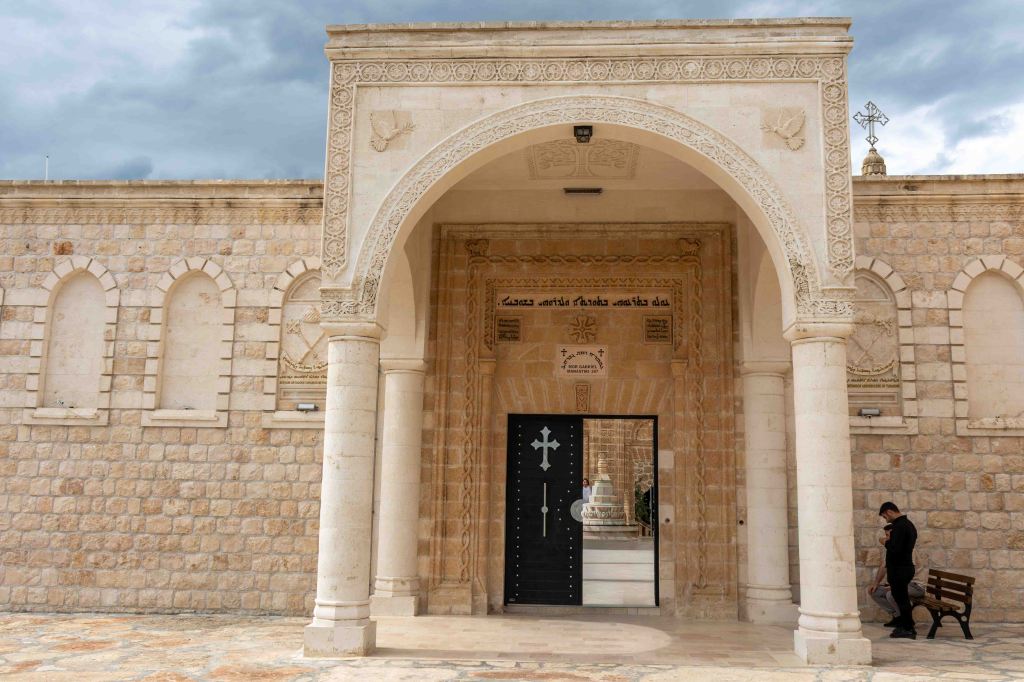
Mor Gabriel Monastery
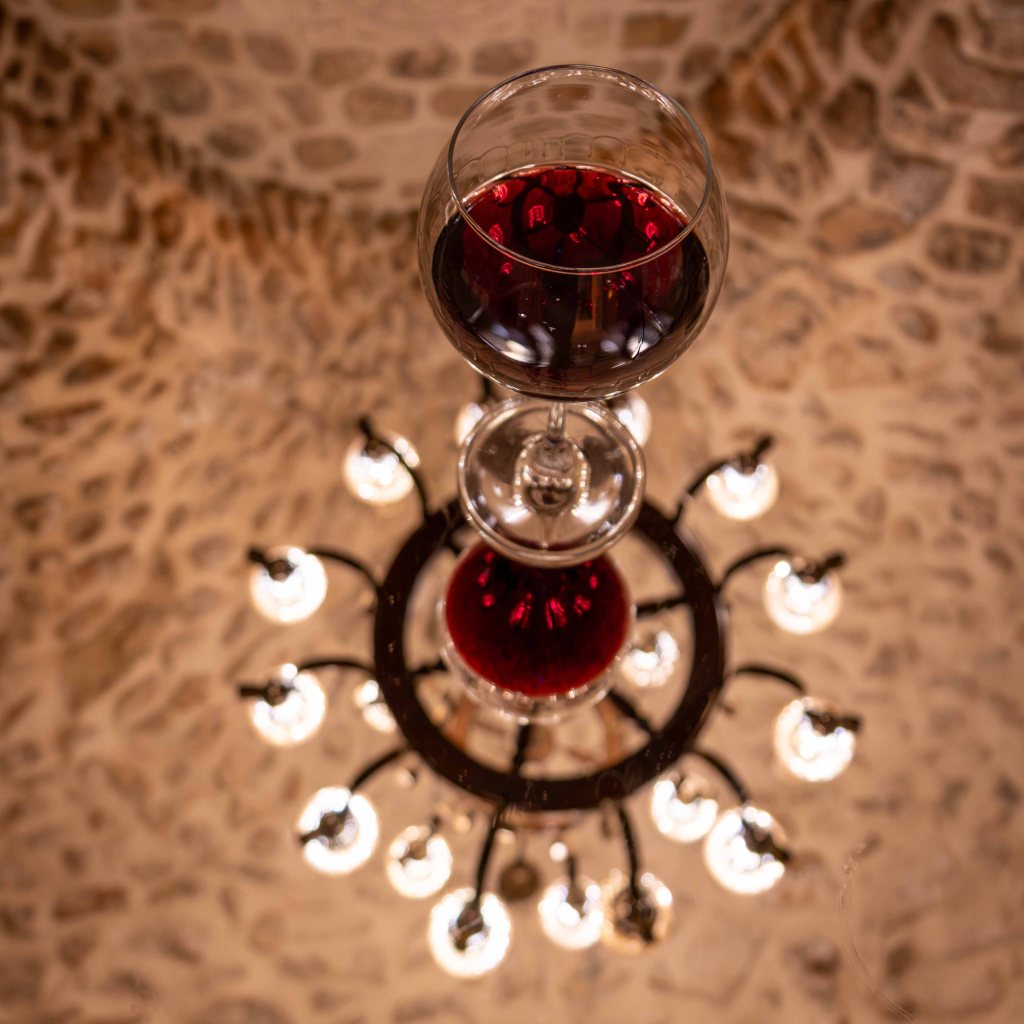
On our return to Mardin, the heavens opened and we cocooned ourselves under blankets at a rooftop wine bar. There was no sunset to admire that evening, but as we drank the warming Syriac red wine, I drifted back to time long past…my last opportunity before re-entering the 21st century.
Practical points:
We travelled between the main cities by minibus (dolmuş), which cost around €5* per person per journey.
There are only large inter-city buses between Sanliurfa to Mardin, which cost around €12*.
Note that there are separate bus stations for dolmuş and inter-city buses, the latter tending to be on the outskirts of the city centre.
We stayed in converted traditional houses in each old town, there’s a huge selection on Booking.com. They cost around €40-45* per night per person and include large Turkish breakfasts.
We booked our Mardin day tour with HGM Turizm, located on the main street, at a cost of €35* per person.
*Prices are indicative only: official inflation at time of writing is 32%, but locals say it is much higher.
