
The huge octopus glided across my line of vision, changing colours as it navigated through sand and coral. It was a magical scene, and a fitting end to my trip to the paradise that is Raja Ampat.
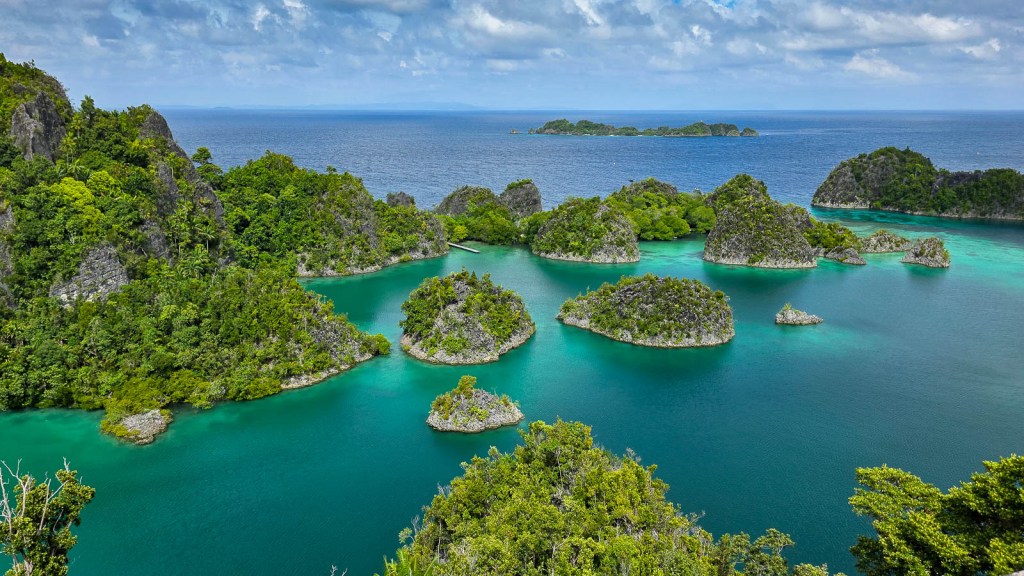
The 1,500+ islands of Raja Ampat are nestled off the west coast of Papua, the second largest island in the world. The area is best known for its impressive diversity of sea life and corals, but equally breathtaking are the mushroom-shaped islands clad with jungle and the small villages and homestays that sit on or over the water’s edge.
It’s a stunning location and one that has received, for better or for worse, little investment from the Indonesian government headquartered 3,000km away.
Getting to Raja Ampat: Sorong
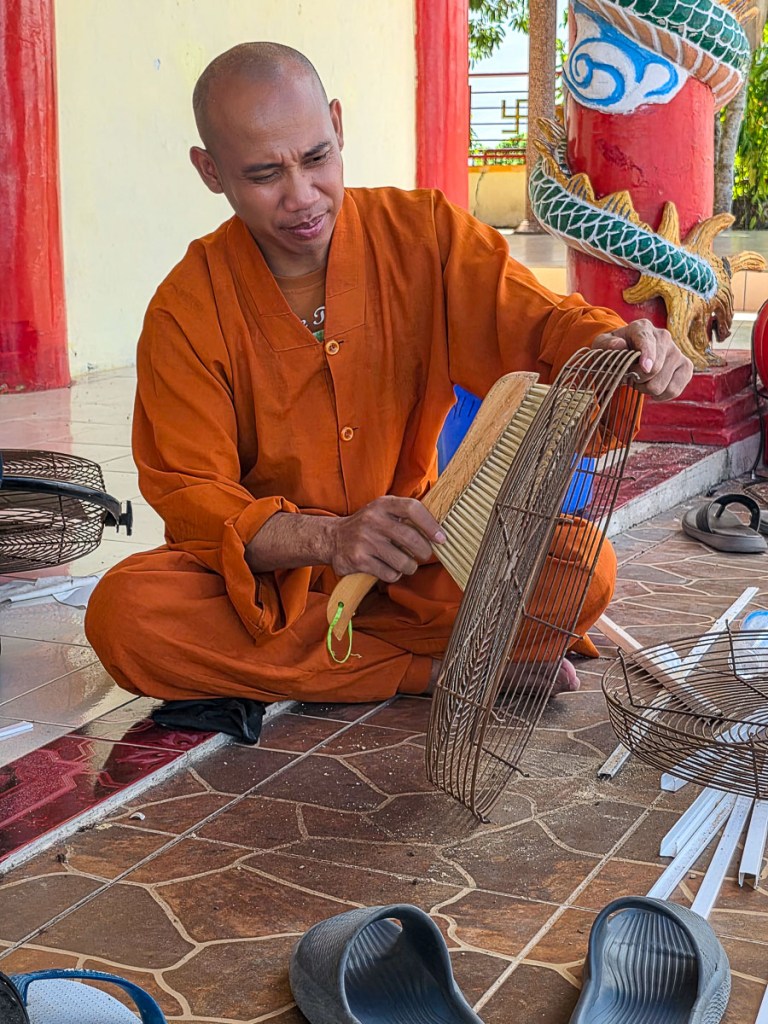
The gateway to Raja Ampat is the small airport in Sorong, easiest to reach via Jakarta or Bali. Ethnically and culturally, Sorong feels more Papuan than Indonesian: a bustling tropical city that’s easy to navigate on foot, by motorbike, or using the Grab app. I enjoyed the city’s daily hum and heady aromas as I walked through the oppressive humidity past food stalls, schools, mosques and churches, and rows of vehicle-repair stands. I paused at Billy’s Café for rich Papuan coffee and abon gulung—a local bread roll stuffed with sweet and savoury meat—then climbed up to the Buddhist pagoda, which was being freshly scrubbed ahead of Lunar New Year.
The expedition
I was here to test another Rat Race expedition: kayaking 200km in 10 days. The group met at the Swiss-Belhotel, a modern hotel perfectly positioned between the airport and the ferry terminal. We were thrilled to be led by Justine Curgenven, an adventurous sea kayaker who’s completed some incredible trips. I suspect she was a little less thrilled when she heard about our kayaking experience!
The two-hour ferry journey delivered us to Waisai on Waigeo Island. From there, we took a local boat to Saporkren, where the kayaks are stored. We were assigned our gear—a single kayak for me—and then packed up, struggling (as we would every day) to squeeze our dry bags into the hatches, while leaving space for essential cooking equipment and meals.
A typical day
I’m not going to bore you with a day-by-day itinerary; instead, I’ll share a snapshot of a typical day on our journey, along with a few special moments.
We woke with the sunrise at 6am. I spent a few minutes relishing the sound of gentle waves and birdsong before clambering out of my hammock and pulling on damp swimwear, shorts and a T-shirt. I packed everything into dry bags, organised by dampness and smelliness, and loaded my kayak. Breakfast was simple—granola, oatmeal or eggs—washed down with tea and coffee. We then cleaned up camp and set off by 8am.
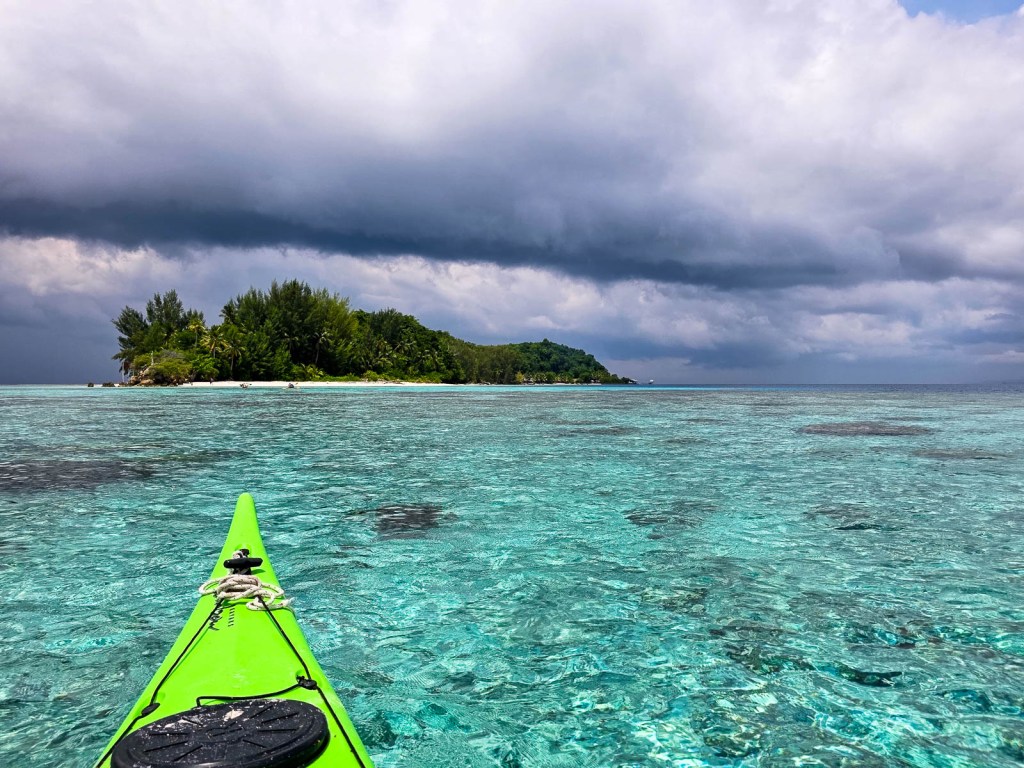
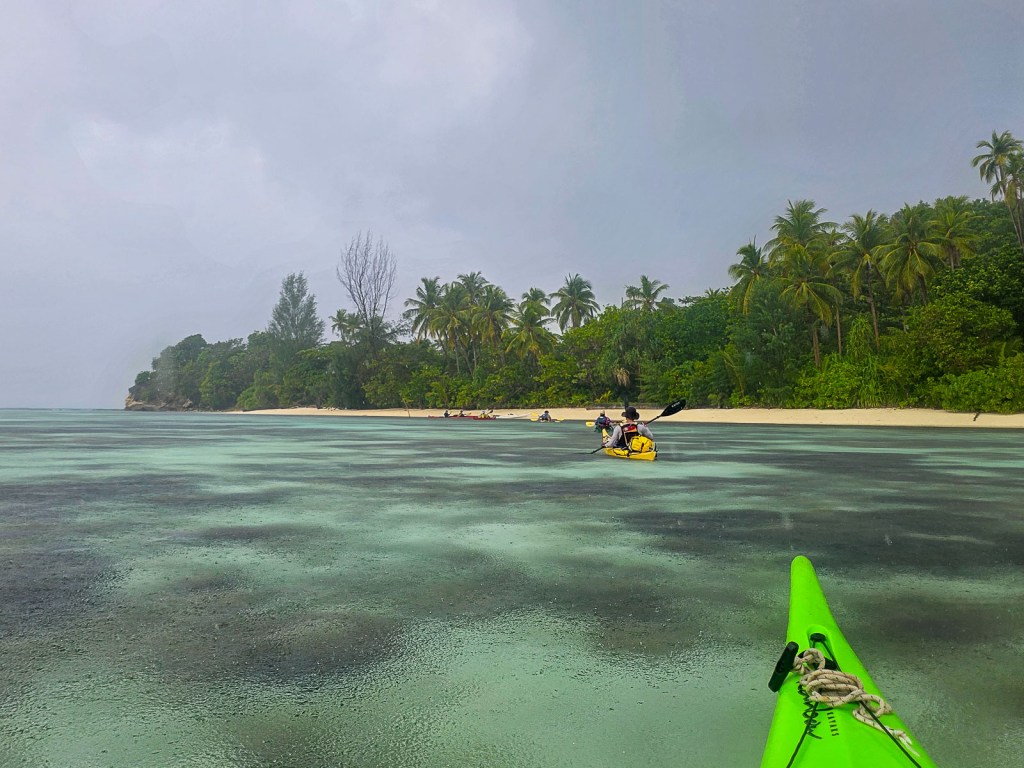
We kayaked about 20km a day, usually paddling for four to five hours before lunch. We wove around mushroom-shaped islands, slipped through caves into secret lagoons, and threaded our way among mangroves and over crystal-clear coral reefs—through sun, wind, and a little (but heavy) rain. We tackled three sea crossings, which felt tedious at the time but left us with a real sense of achievement once completed. On one crossing we saw a whale breach, and we encountered plenty of flying fish and seabirds—and, less happily, flotsam.
We took mid-morning snack breaks on picture-perfect beaches, with plenty of chances to cool down in the water. Sadly, a few of these idyllic stretches of sand were piled with rubbish—mostly plastic bottles and fishing lines—washed up along the shore. It was impossible to ignore the damage humans are doing to our precious earth and oceans.
Some days proved more challenging than others when it came to finding suitable campsites. We had a good balance of tents and hammocks between us, but as tempting as it was to sling a hammock under swaying coconut palms, we didn’t want to risk death by falling coconut.
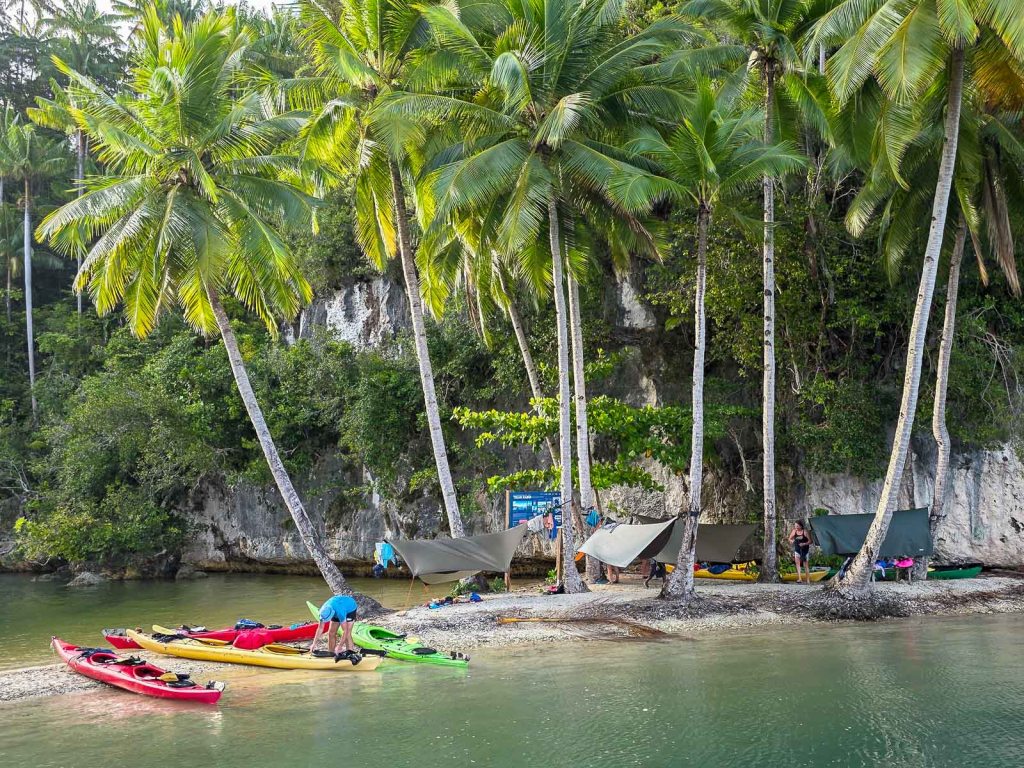
During the afternoons, we would set up camp, snorkel, rest, and chat.
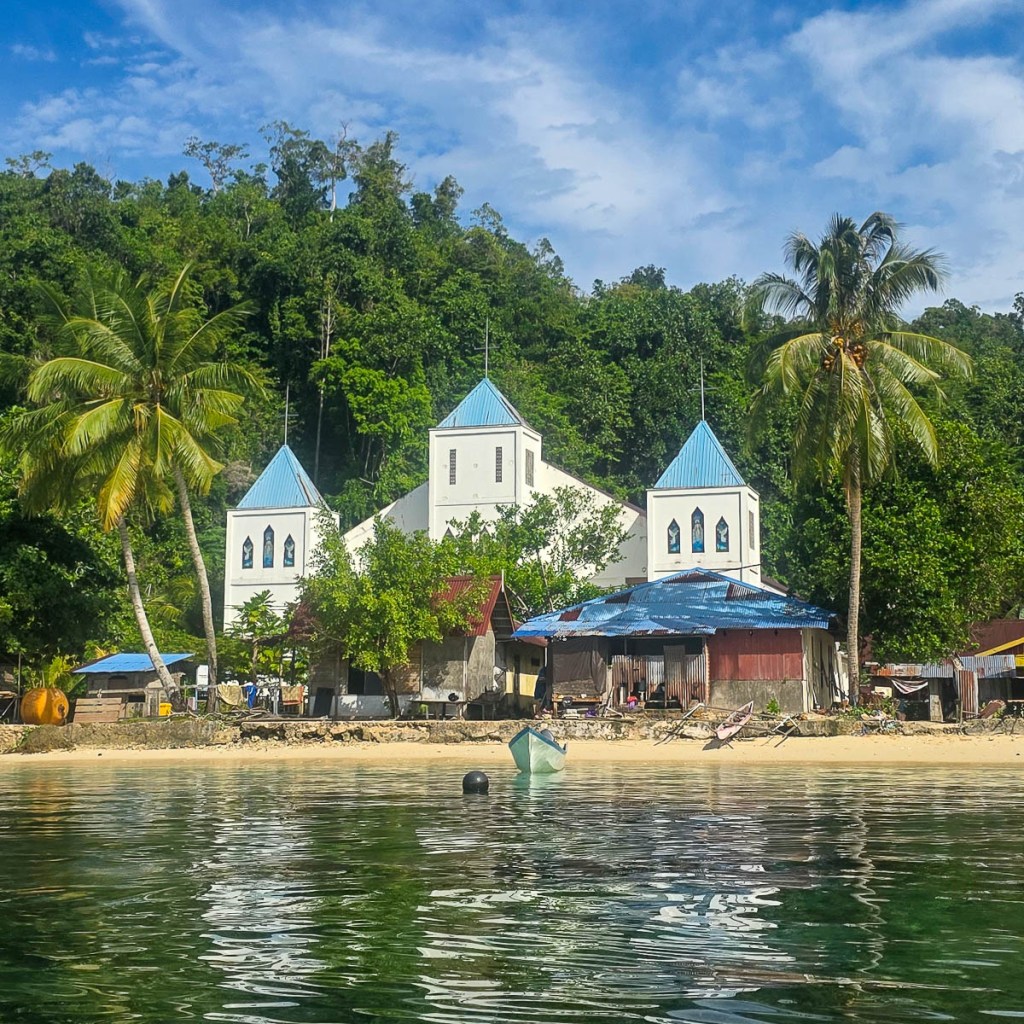
We stayed at homestays for three nights. It was a chance to contribute to the local economy, to access fresh drinking and washing water and enjoy home-cooked meals. We slept on mattresses in stilted huts, and typical dinners included tuna, eggs, rice, and some much-needed vegetables. On other days, our lunches and dinners were dehydrated meals made by Expedition Engineering in Canada.
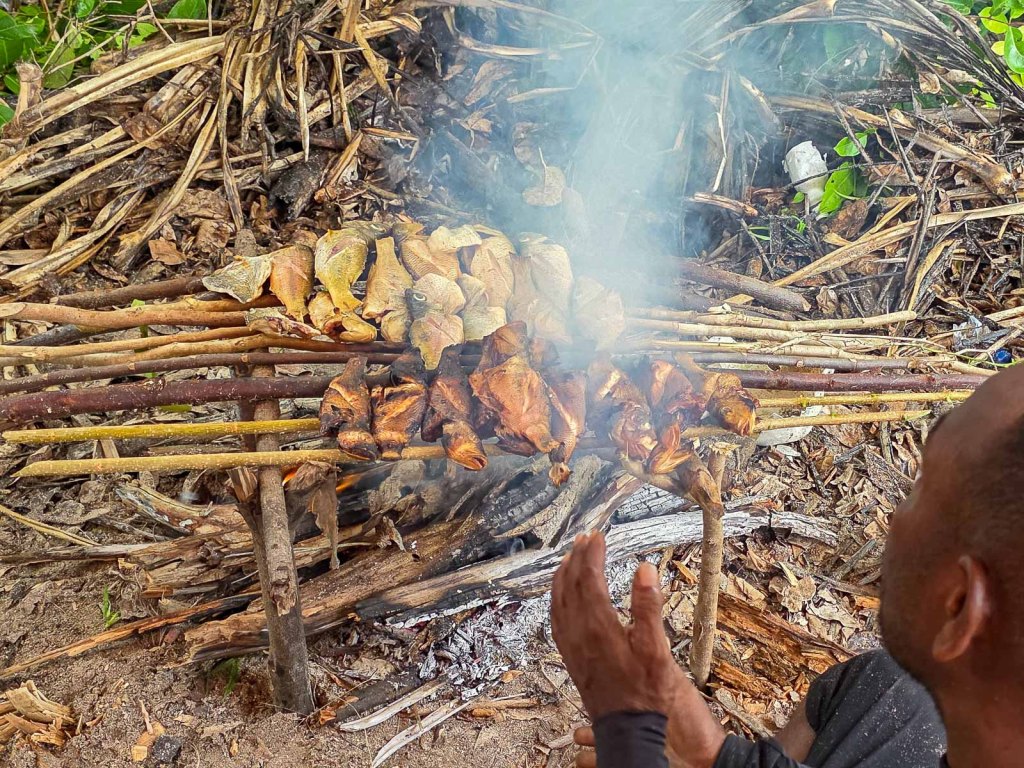
Our best meal came when Benny, our local guide, managed to buy 20 fish from local fishermen and cooked them over the fire one evening. We ate as the sun set, watching several black-tipped reef sharks competing for our leftovers.
Challenges
This perfect-sounding trip was not without challenges. Being permanently hot, damp, salty, and sandy took its toll on our minds and bodies. Some underestimated the savage strength of the sun, resulting in several blistered backs. Coral cuts were frequent and had to be treated with iodine immediately; hand sores also developed, with and without gloves. The final 24 hours made us realise how lucky we’d been with the weather: we woke to torrential rain which lasted all day. Everything was drenched—a misery that would have been far more demoralising had it struck earlier in the trip.
On day 11, we returned to the small, easy-going town of Waisai, where we were treated to hotel rooms with air-con (perfect for drying everything out) and decent Wi‑Fi and phone signal—finally, we could contact loved ones.
Relaxation and reflection
As the others went their separate ways, my friend and I headed to Biodiversity Eco Lodge for a few days of R&R. This was a great call: it was only when we stopped paddling that we realised just how tired we were. Four days of delicious food, diving and snorkelling, and good company were exactly what we needed. We even got to watch a total lunar eclipse.
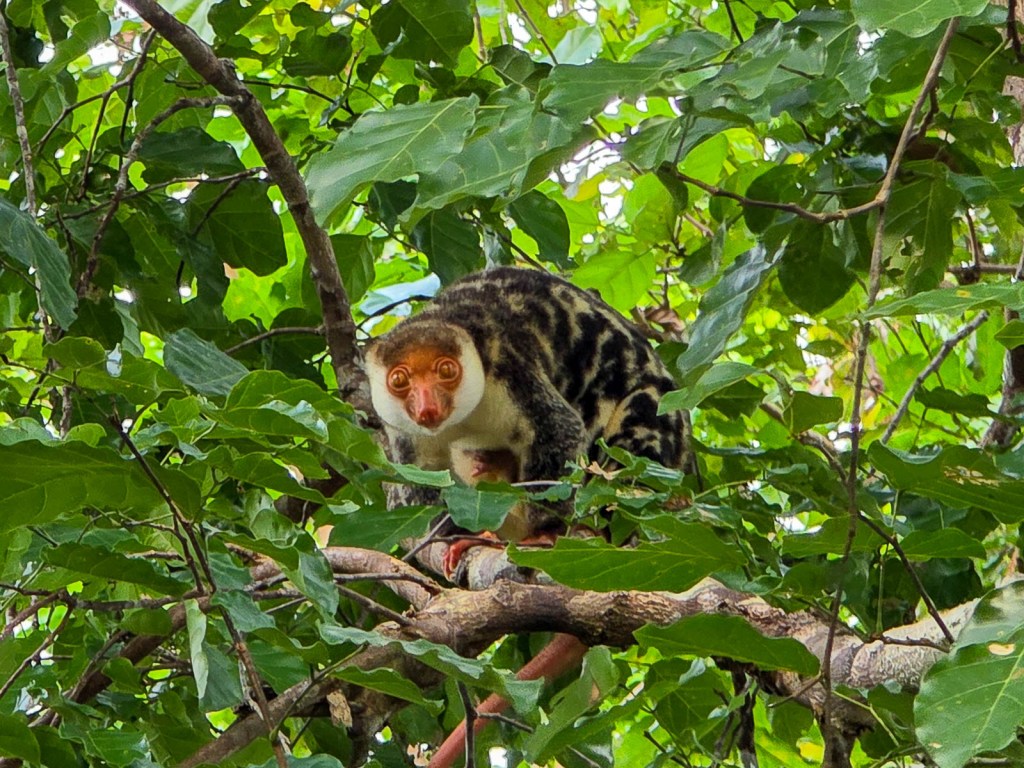
The diving and snorkelling in Raja Ampat rival the best in the world. It would be impossible to note every coral and fish we saw, but my highlights included turtles, reef sharks, epaulette “walking” sharks, huge Napoleon wrasse, cuttlefish, and—of course—my favourite: octopus. Although we spent less time on land, I also tried to seek out other wildlife, including the indigenous red bird-of-paradise and spotted cuscus, as well as palm parakeets and hornbills.
Raja Ampat is developing. Eco lodges are popping up and liveaboard dive boats are multiplying. The Indonesian government wants to protect this region as tourism grows, so I hope the environment will continue to be shaped more by nature than by people.
